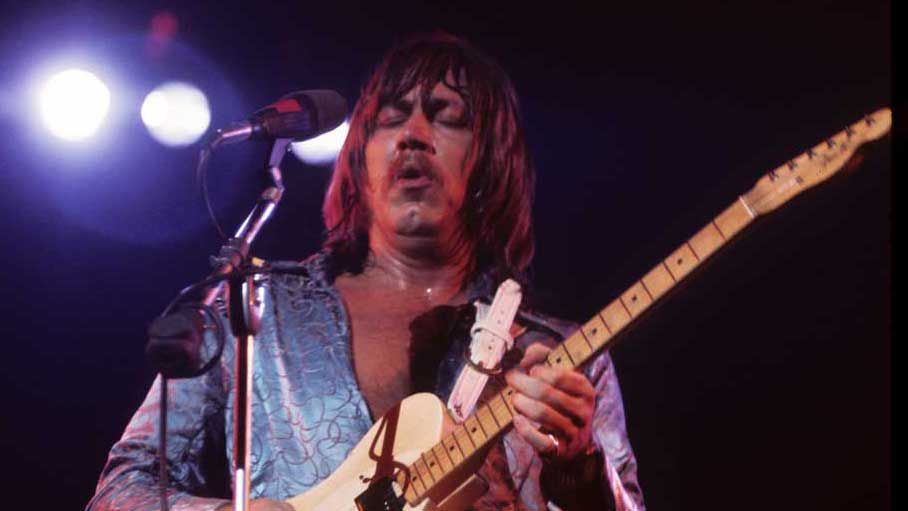
On January 23, 1978, Terry Kath, founding guitarist and lead singer of the rock band Chicago, died from a single gunshot wound at a roadie’s home in Los Angeles. He was eight days away from his 32nd birthday. Jimi Hendrix had once called him one of his favorite guitarists alive, and his bandmates considered his death one of the most senseless tragedies in the band’s history.
Kath had co-founded Chicago in 1967 and helped shape the band’s distinctive horn-driven rock sound, singing lead on several of their biggest early hits and contributing guitar work admired by some of the era’s greatest musicians. By 1978, the band had recently parted ways with longtime manager James Guercio, and according to drummer Danny Seraphine, the internal mood had grown noticeably less joyful, with mounting pressure to keep producing hits weighing heavily on Kath in particular.
Kath had developed a well-known fondness for guns over the years, frequently carrying them and showing them off to friends, often without realizing, or perhaps without fully registering, just how dangerous the habit had become. On the night before he died, Kath spent hours with bandmate Laudir de Oliveira simply drinking tea and talking about future musical projects, a calm, ordinary evening that gave no one any indication of what was coming next.
The following day, Kath visited the home of Chicago roadie Don Johnson in Woodland Hills, California. According to Johnson, the only witness present, Kath began handling his guns at the kitchen table, first picking up a revolver and pulling the trigger on what he believed were empty chambers. When Johnson expressed concern, Kath picked up a separate 9mm semi-automatic pistol, removed the magazine to show Johnson it was empty, and said something to the effect of asking what Johnson thought he was going to do, blow his own brains out. He then replaced the magazine and pulled the trigger, apparently unaware that a single round remained lodged in the chamber. He died instantly.
Bandmates and friends have consistently maintained that Kath’s death was a tragic accident rather than any kind of intentional act, pointing to how deeply trusted he was around firearms and how little warning anyone around him had received. Chicago’s members seriously considered disbanding entirely in the aftermath, and were ultimately persuaded to continue by Doc Severinsen, musical director of “The Tonight Show” band, who encouraged them not to let Kath’s legacy end in silence.
Decades later, Kath’s daughter, Michelle Kath Sinclair, who was less than two years old when her father died, produced a documentary dedicated to preserving his memory, frustrated that he had largely been left out of conversations about rock’s greatest guitarists despite the admiration of peers like Hendrix. Chicago continued recording and touring for decades afterward, but Kath’s death marked the unmistakable end of the band’s original, most musically adventurous era. Bandmate Robert Lamm, who considered Kath his closest friend and creative soulmate within the group, has said he still dreams about him decades later, a testament to how deeply the sudden, accidental loss continued to shape the band long after they moved on to new guitarists and new chapters of their career.